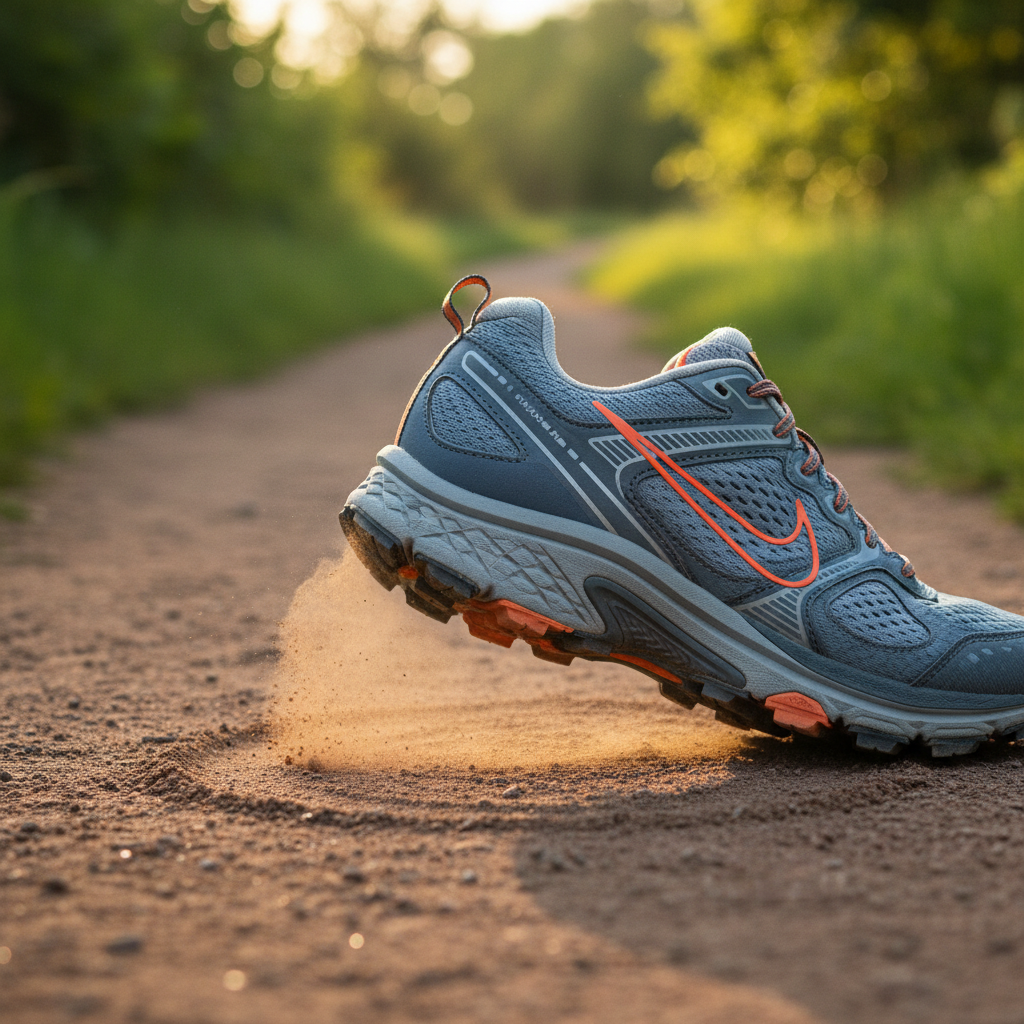
A close, side-on photographic view of a single athletic shoe frozen just as the heel touches a compacted dirt path, showing the moment of impact and rolling through the arch toward the toes. Fine dust is slightly disturbed beneath the heel, revealing pressure points and weight distribution. Surrounding the shoe, the path curves away between out-of-focus greenery, evoking a natural walking route. Late afternoon natural light casts soft, directional highlights along the shoe’s contours, creating gentle shadows beneath the arch. Shot at ankle level with moderate depth of field, the composition feels precise yet approachable, emphasizing biomechanics of the stride and how walking patterns can influence back, hip, and foot pain over time.

Why Your Walk Hurts Elsewhere

The 4 Step Points system shows how small imbalances in each phase of your step can overload your back, hips, and feet, turning everyday walking into chronic pain.

Offerings
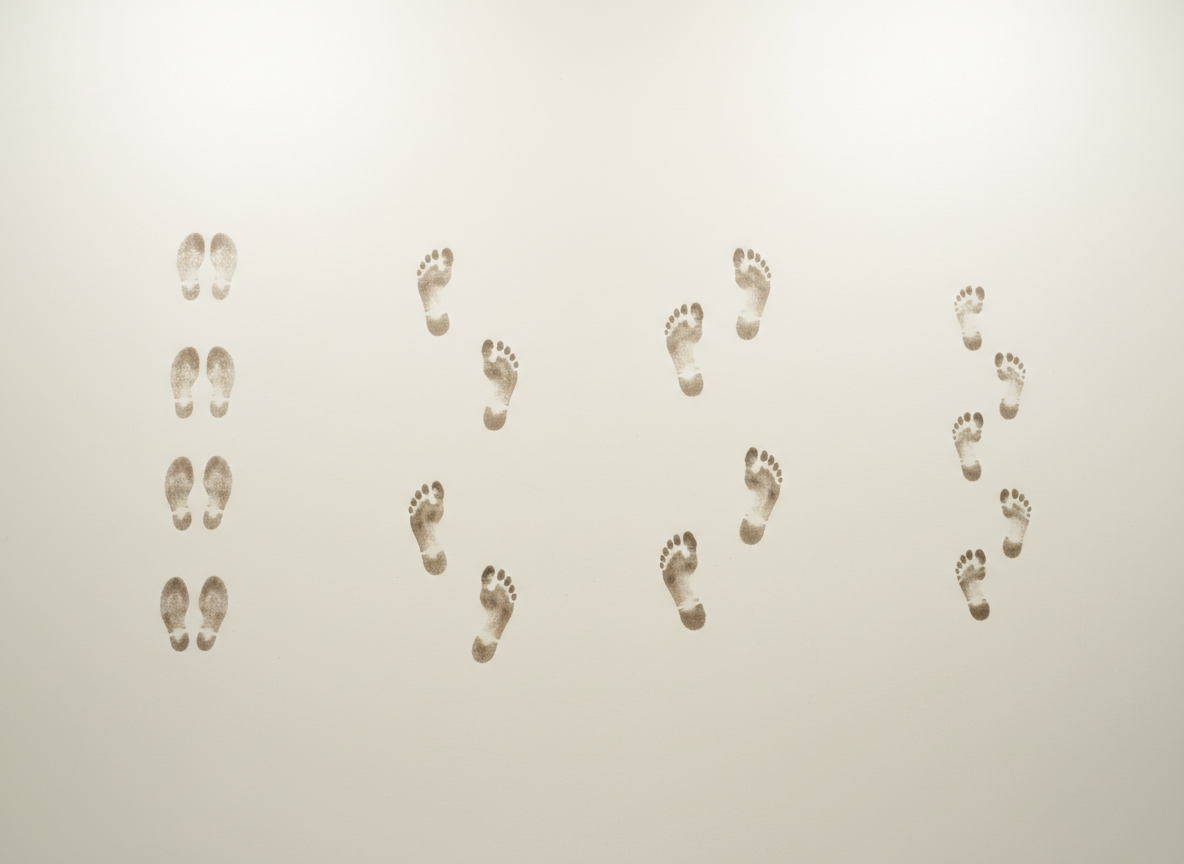
An overhead photographic view of a minimalist, light-colored floor with four subtly different sets of shoe prints, each representing a distinct walking pattern: one straight and balanced, one pronated inward, one supinated outward, and one with shortened stride. The prints are rendered as realistic, slightly darkened impressions, as if lightly damp soles crossed a matte surface. Soft, diffused studio lighting creates a clean, shadow-free environment that highlights the directional angles and spacing of each trail. The composition uses a clear, grid-like arrangement to suggest a structured, four-step system of understanding gait. The mood is analytical yet accessible, visually linking walking patterns to potential sources of chronic pain without using text or diagrammatic lines.

Deep-dive book explaining the full 4 Step Points framework, assessments, and practical walking corrections.
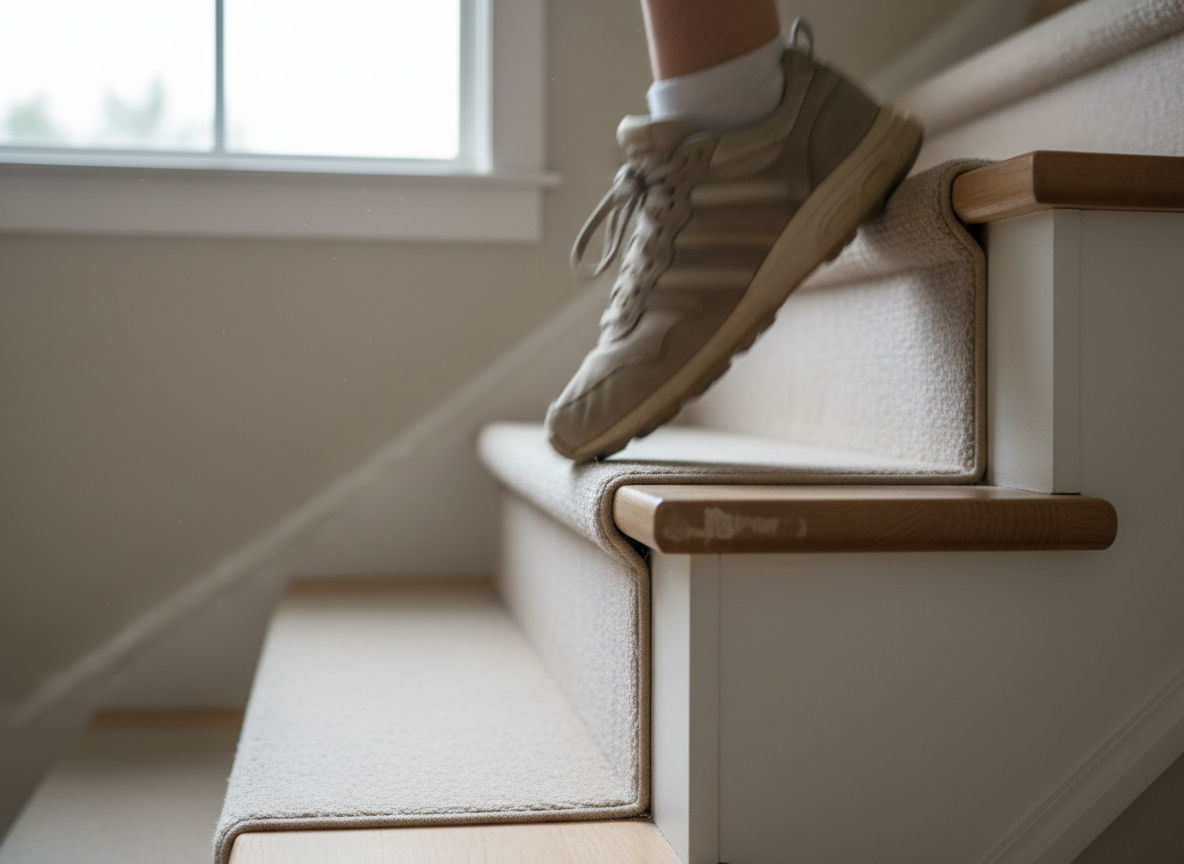
A realistic photographic close-up of a neutral-toned staircase seen from the side, with only a single, detailed shoe and lower leg implied as a motion blur ascending, emphasizing how the foot rolls off each step. The stair edges are sharply in focus, revealing slight wear on specific corners that hint at habitual movement patterns. Soft indoor daylight from a nearby window creates gentle, angled illumination, forming subtle shadows beneath each tread. The camera is positioned low, almost level with the steps, to accentuate the shift from heel to forefoot. The mood is quietly focused and professional, suggesting how everyday movements like climbing stairs can reveal imbalances that contribute to knee, hip, or lower back pain over time.

Quick-start ebook with diagrams and simple tests to link your pain to your daily steps.
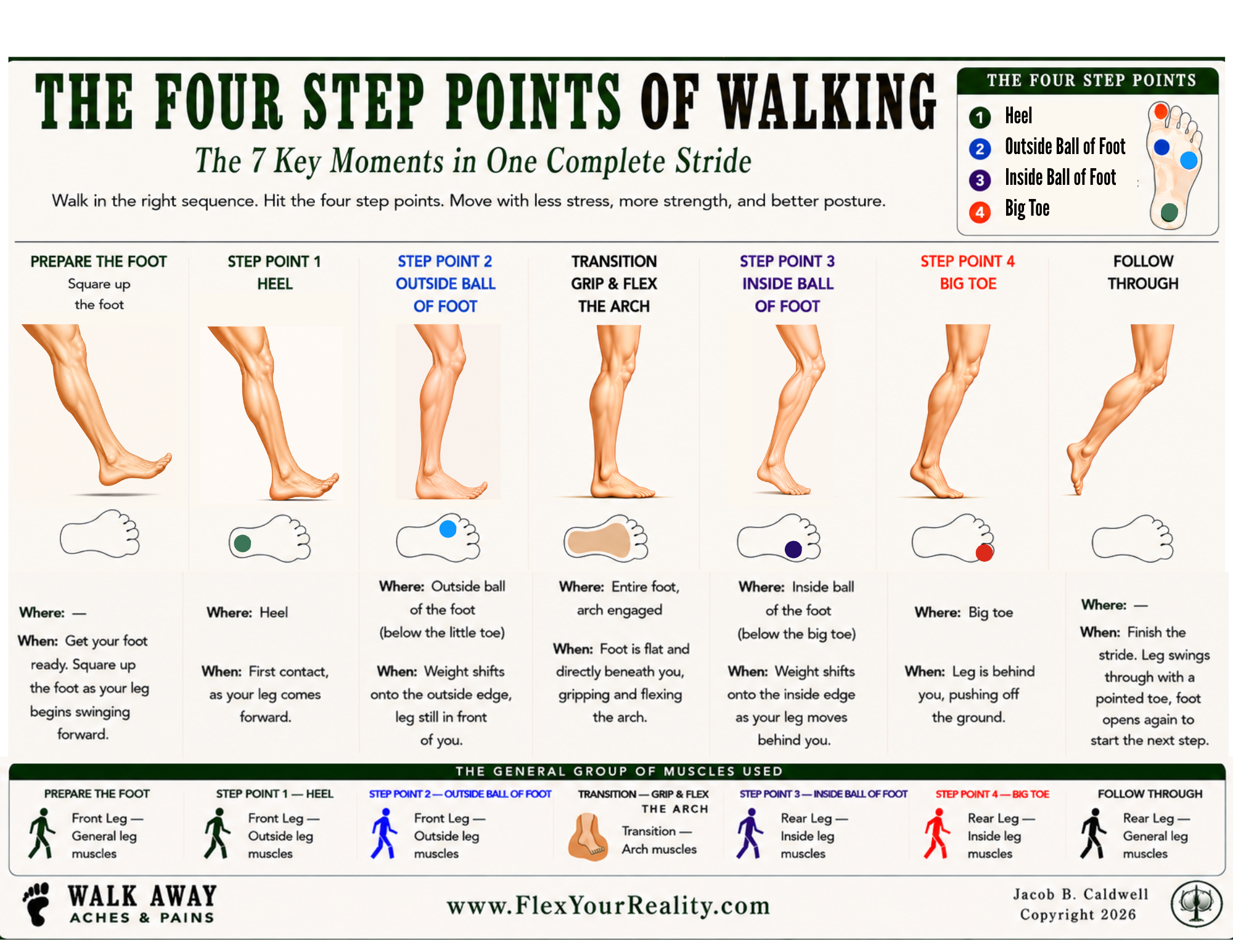
The Four Step Points of Walking infographic showing 7 key moments in one complete stride

The Four Step Points of Walking — a downloadable infographic showing the 7 key moments in one complete stride.

Insights

Short lessons on gait, pain science, and everyday movement tweaks.

Support

Have questions about the 4 Step Points system or which resource fits your pain journey?

Email: steps2light@yahoo.com

← Back

Thank you for your response. ✨

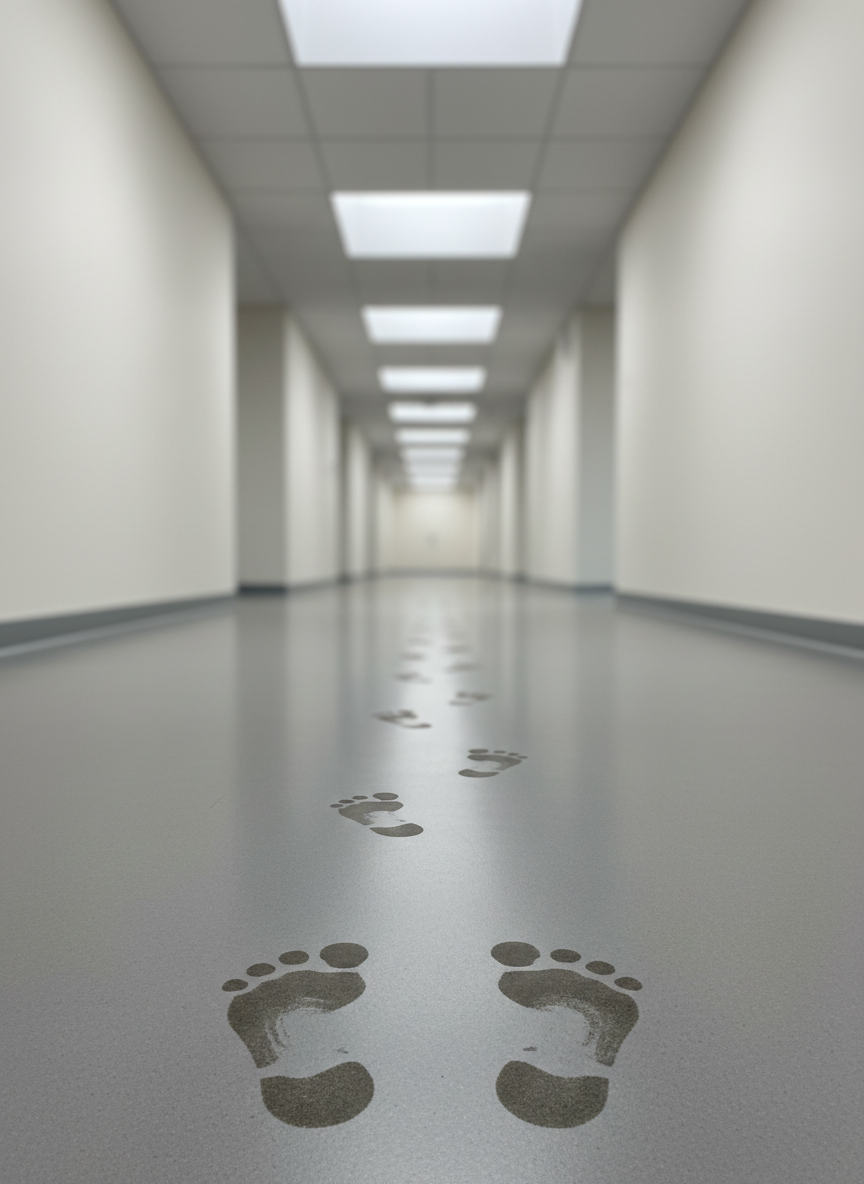
A clean, modern hallway with a long, matte floor seen in perfect perspective, featuring a single, continuous trail of realistic, slightly darker foot-shaped impressions that gradually change from uneven and tilted to symmetrical and centered as they move toward the foreground. The distant end of the hallway is softly blurred, while the nearest, most balanced impressions are in sharp focus. Bright but diffused daylight from overhead skylights creates an even, clinical-free brightness, emphasizing the progression of gait correction. Shot at a low, receding angle with strong leading lines, the image conveys a clear journey from dysfunctional walking patterns toward healthier movement, visually echoing a structured, step-by-step approach to resolving chronic aches and pains.

Updates

Get gait tips, case stories, and system updates by email.
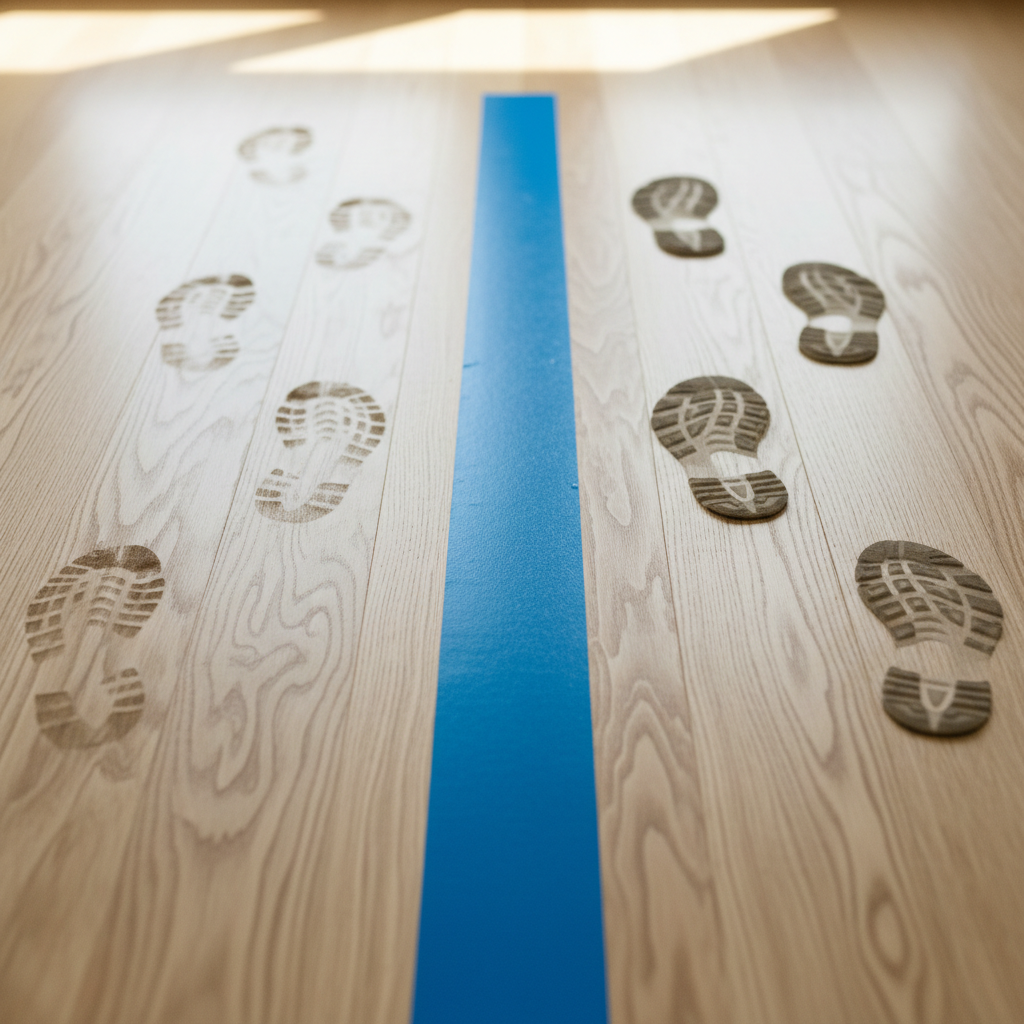
A detailed photographic view of a light wood floor intersected by a single strip of bright athletic tape running straight down the center, like a gait analysis line. On either side of the tape, two sets of realistic shoe impressions progress forward: one slightly rotated and irregular, the other aligned and evenly spaced. The floorboards’ grain adds subtle texture, while the space around remains uncluttered. Soft, indirect daylight from an unseen window bathes the scene, casting minimal, gentle shadows that preserve clarity. Captured from a slightly elevated angle with sharp focus, the composition feels precise and methodical, conveying a professional yet approachable atmosphere that hints at structured assessment and improvement of walking patterns to reduce chronic pain.
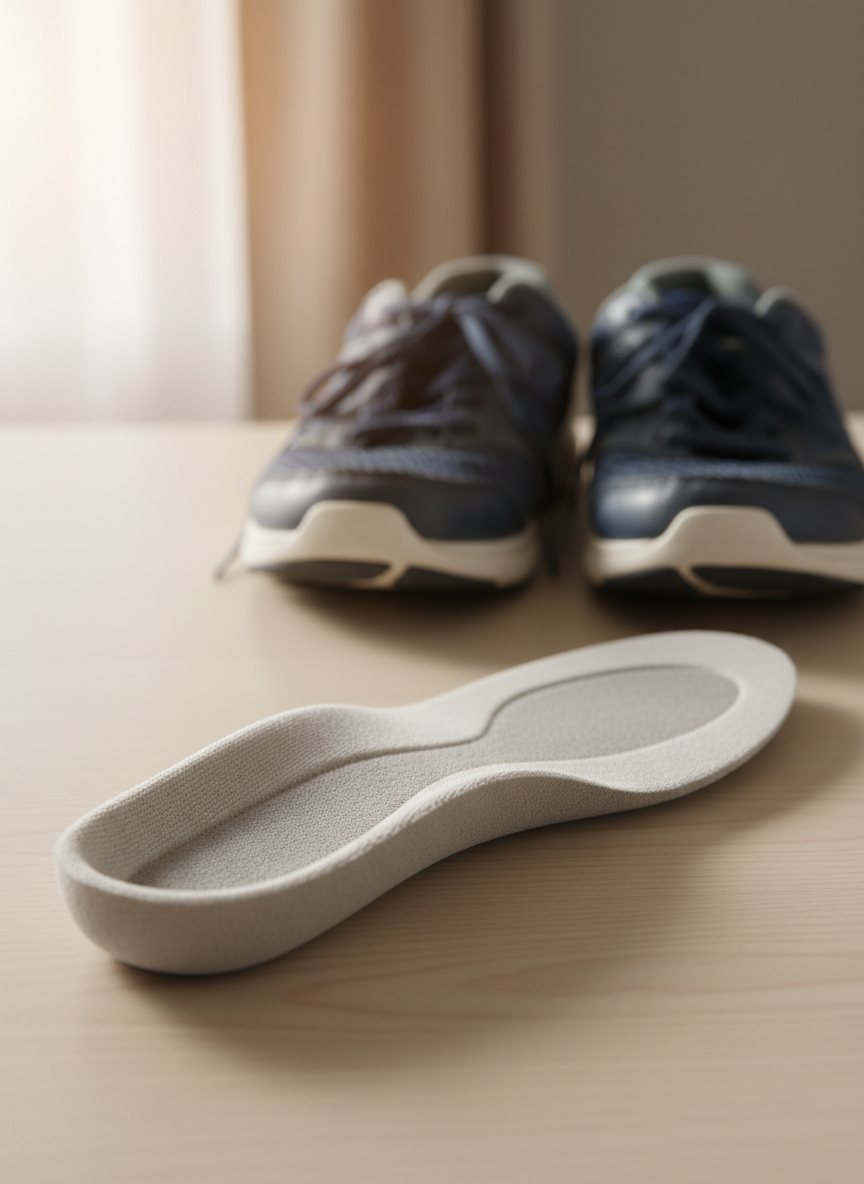
A photographic close-up of a neutral, cushioned insole placed on a plain tabletop, its surface marked only by subtle, natural impressions indicating where the heel, arch, and forefoot receive the most pressure. The insole’s texture and contours are rendered in high detail, suggesting support and alignment. Behind it, softly blurred in the background, a pair of walking shoes rests side-by-side, toes slightly angled as if just taken off after a long day. Warm, diffused window light from the side creates gentle highlights on the insole’s curves and casts soft shadows that define its shape. The mood is calm and professional, implying a thoughtful, biomechanical approach to relieving plantar fasciitis and related foot pain through improved walking mechanics.
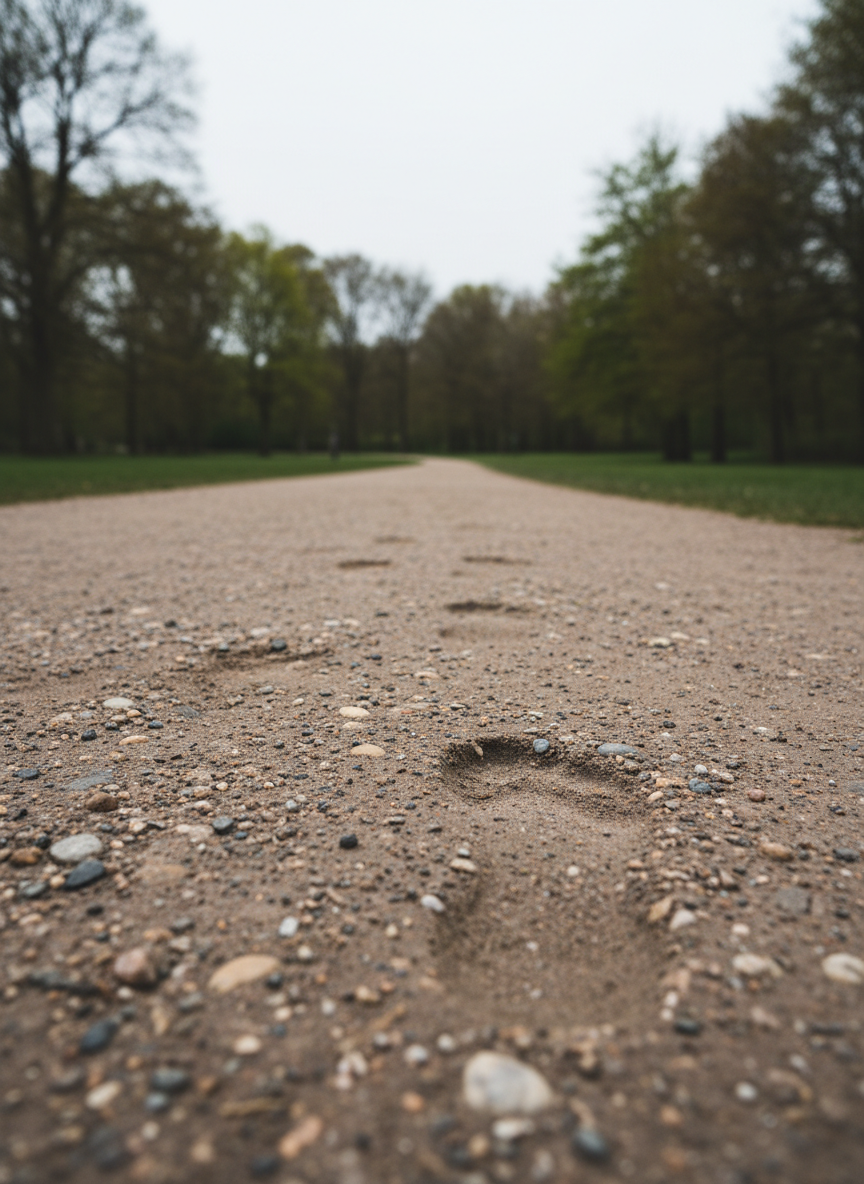
A wide photographic shot of a long, gently curving park path captured from a very low, ground-level perspective, where the focus rests on a series of small pebbles and subtle imprints in the packed earth showing the flow of footsteps. Each impression reveals variations in depth from heel to toe, suggesting how weight transfers during walking. The surrounding grass and trees blur into a soft, green backdrop under overcast sky, creating a calm, neutral palette. Diffused daylight eliminates harsh shadows, emphasizing texture on the path itself. The composition uses the path as a leading line that draws the eye forward, evoking the idea of tracing chronic back and sciatic pain back to simple, everyday walking patterns in a non-clinical, natural setting.
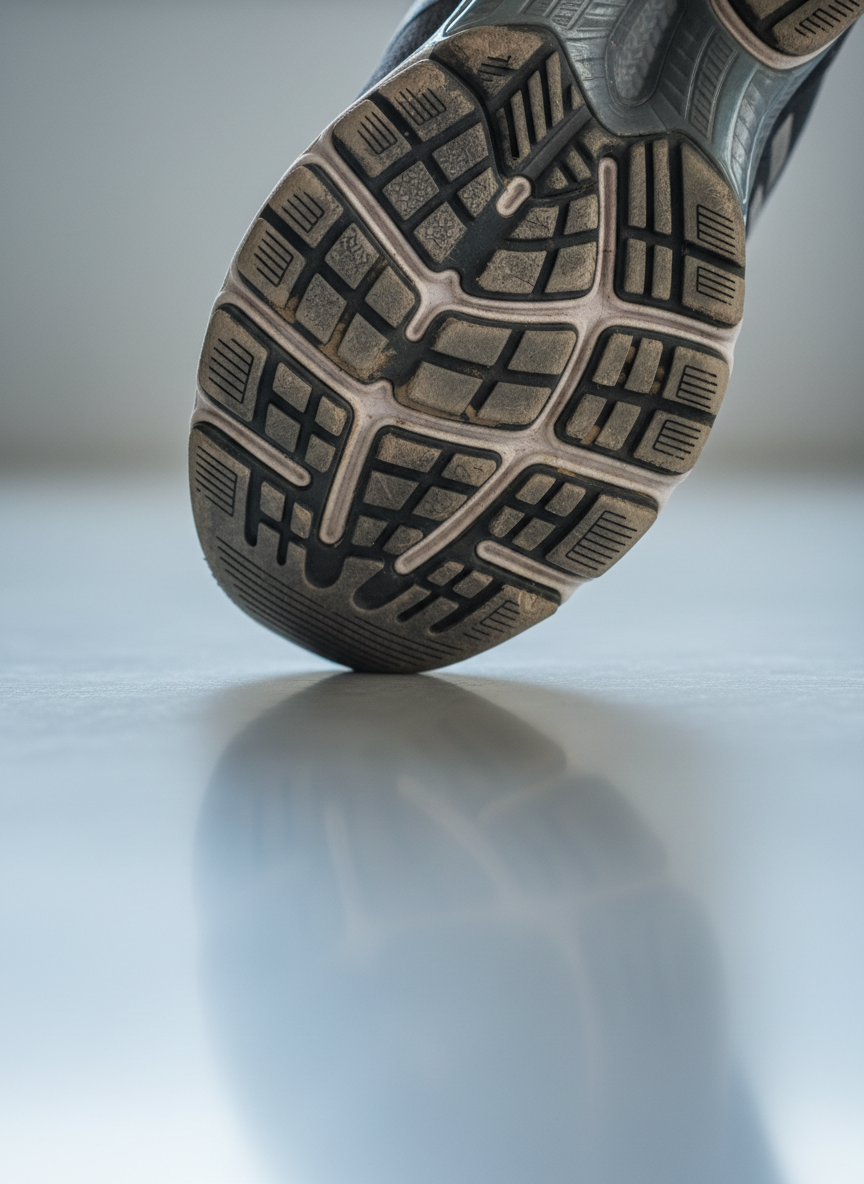
An extremely close, angled photographic view of a shoe sole hovering just above a smooth, neutral floor, captured at the instant before it makes contact. The intricate tread pattern is in razor-sharp focus, showing areas of abrasion and smoother regions that hint at gait imbalances. A faint, mirrored reflection of the sole appears on the polished surface beneath, subtly distorted near heel and forefoot to suggest uneven loading. Soft, directional studio lighting from one side creates gentle highlights along the raised tread and fine, controlled shadows that reveal depth. The overall mood is precise and analytical but not technical, illustrating how careful observation of each step can uncover the hidden origins of chronic pain in the back, hips, and feet.

Reach out

Share your pain history, current diagnoses, and goals so we can point you to next steps.

← Back

Thank you for your response. ✨